

Master the Art of Cooking Methods + Searing Skills
Are you looking to elevate your culinary skills and impress your guests with perfectly cooked dishes? Mastering different cooking methods and searing skills can take your cooking to the next level. Whether you're a beginner or a seasoned home cook, understanding these techniques can enhance the flavor, texture, and presentation of your meals.
Cooking Methods
1. Searing
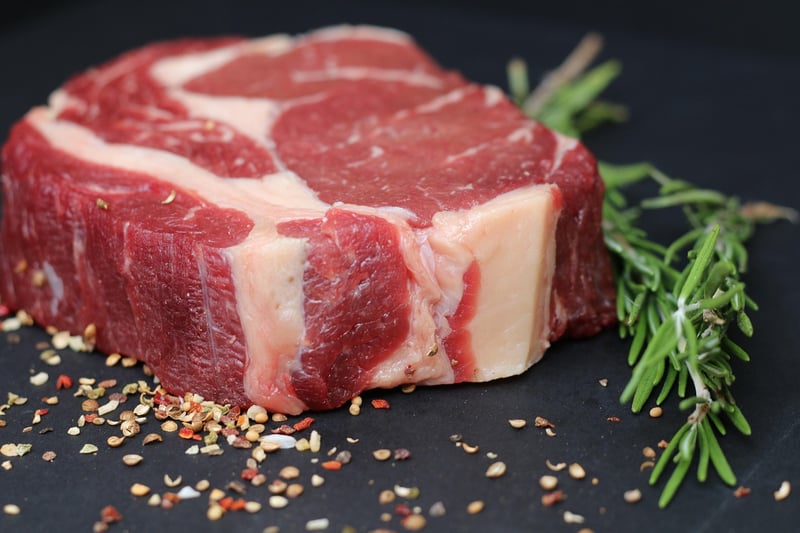
Searing is a high-heat cooking method that creates a golden-brown crust on the surface of your food, sealing in the juices and enhancing the flavors. It is commonly used for proteins like steak, chicken, and fish. To achieve a perfect sear, make sure your pan is hot before adding the food and avoid overcrowding the pan.
2. Roasting
Roasting involves cooking food in the oven at high temperatures. This method is ideal for vegetables, meats, and poultry. Roasting caramelizes the sugars in the food, creating a rich flavor and crispy exterior. Use a roasting pan or baking sheet with low sides to allow hot air to circulate around the food evenly.
3. Braising
Braising is a combination cooking method that involves searing food at high heat and then simmering it in a flavorful liquid at lower heat. This technique is perfect for tough cuts of meat as the slow cooking process tenderizes the meat and infuses it with rich flavors. A Dutch oven or slow cooker is ideal for braising.
Searing Skills
Perfecting your searing skills can make a significant difference in the taste and appearance of your dishes. Here are some tips to help you achieve the perfect sear:
- Prep your food: Ensure your protein is dry and seasoned before searing to prevent steaming and achieve a crispy crust.
- Use the right pan: A heavy-bottomed skillet, such as cast iron or stainless steel, distributes heat evenly and retains high temperatures for a good sear.
- Don't overcrowd the pan: Leave enough space between pieces of food to allow for proper browning. Cook in batches if necessary.
- Patience is key: Avoid moving the food around too much once it's in the pan. Let it sear undisturbed to develop a nice crust.
- Monitor the heat: Adjust the heat as needed to prevent burning. A medium-high heat is generally recommended for searing.
- Rest the meat: Allow the seared meat to rest before slicing or serving to lock in the juices and ensure tenderness.
By mastering these cooking methods and searing skills, you can create restaurant-quality dishes in the comfort of your own kitchen. Experiment with different ingredients and recipes to hone your skills and delight your taste buds.
Ready to take your cooking to the next level? Practice these techniques and watch your culinary creations shine!
Remember, cooking is an art that requires practice, patience, and a willingness to experiment. So put on your apron, grab your ingredients, and get ready to impress with your newfound skills!